
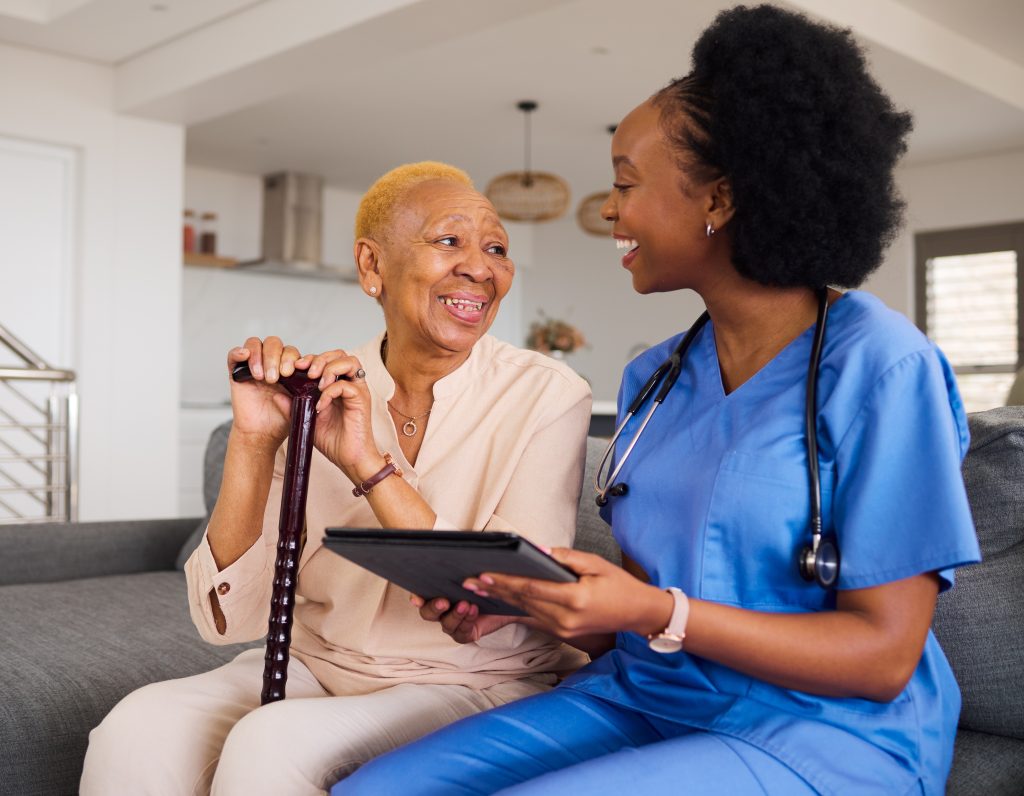
When families consider support at home, the first thought is often personal support workers (PSWs). Our PSWs play a vital role in daily living assistance, providing help with bathing, meal preparation, mobility, and companionship. For many households, this level of care is enough to maintain independence and comfort. However, there are times when the needs of a loved one extend beyond what a PSW can provide. That is where professional nursing care becomes essential.
The distinction lies in the type of support offered. PSWs are trained to assist with personal care and everyday routines. They offer comfort and stability, but they do not provide medical treatments. Nurses, on the other hand, bring clinical expertise into the home. Registered Nurses (RNs) and Registered Practical Nurses (RPNs) are qualified to assess health conditions, manage medications, and deliver specialized medical care that goes far beyond daily assistance.
Certain health conditions and recovery journeys call for the advanced knowledge of a nurse. Families often seek nursing care when loved ones need post-hospital support, wound care, or monitoring of chronic illnesses such as heart disease, diabetes, or respiratory challenges. Other scenarios include managing complex medication schedules, supporting mobility after surgery, or responding to sudden changes in health.
Nursing care also ensures early detection of complications. A nurse can recognize subtle changes in a person’s condition, communicate with physicians, and adjust care plans quickly. This proactive approach prevents small issues from becoming emergencies and provides peace of mind for families who may not be able to monitor health around the clock.
Receiving nursing care at home allows clients to remain in familiar surroundings while still accessing a high level of medical support. This reduces stress, shortens recovery time, and lowers the likelihood of hospital readmission. It also helps clients maintain independence while ensuring that safety and wellbeing are protected.
At Gentle Graces, we recognize that every individual’s needs are different. Some may require occasional and shorter visits for medication administration or monitoring, while others benefit from more consistent, ongoing care. For those with significant health challenges, 24/7 nursing support can be arranged, ensuring care is always available whenever it is needed.
Families often worry about where to turn when medical care at home becomes necessary. By choosing a trusted nursing service, you gain not only the support of experienced healthcare professionals but also a partner in navigating the healthcare system. Nurses can liaise with physicians, provide education to family members, and ensure that the client receives care tailored to their health goals and personal comfort.
Nursing care is not just about treating illness. It is about preserving quality of life, maintaining dignity, and supporting families through times of vulnerability. For those moments when personal support is no longer enough, having access to nursing care at home ensures that health, safety, and peace of mind remain priorities.